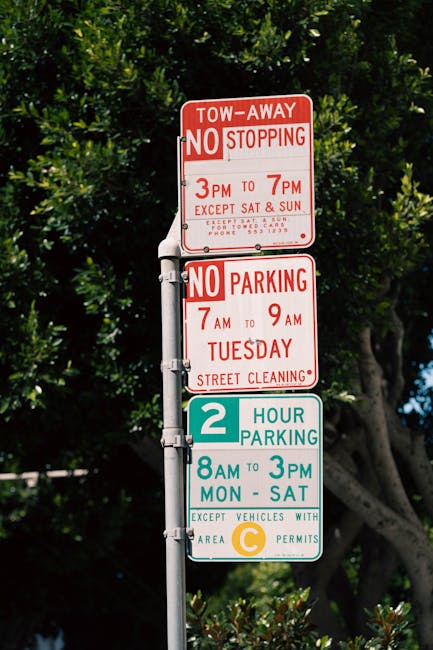
Parking restrictions and permits Haringey removal crews must know
Anyone who has ever tried to move a sofa through a narrow street in Haringey, while a bus is waiting behind the van and a neighbour is trying to squeeze past with a buggy, knows the truth: parking can make or break a removal day. The topic of Parking restrictions and permits Haringey removal crews must know is not just admin. It is the difference between a calm, efficient move and a morning full of tickets, delays, and stressed-out customers. In a borough where streets can be tight, loading space can be limited, and restrictions can change from one road to the next, good planning matters a lot.
This guide breaks down how parking and permit planning works in real life, what crews should check before arrival, and how to avoid the common mistakes that slow everything down. If you are arranging a home move or booking a team for a larger relocation, it also helps to understand what a professional man and van or full removal service is expected to do before the first box is lifted.
Truth be told, most parking problems are predictable. That is the useful bit. Once you know what to look for, the job becomes much easier.
Expert summary: In Haringey, a well-run move is not only about lifting and transporting. It is about checking restrictions early, matching the vehicle to the street, arranging permits where needed, and building a realistic arrival plan that leaves room for London traffic and local parking rules.
Contents
- Why parking restrictions and permits matter
- How parking rules and permits work in practice
- Key benefits and practical advantages
- Who needs this and when it makes sense
- Step-by-step guidance for crews
- Expert tips for smoother moves
- Common mistakes to avoid
- Tools, resources and recommendations
- Law, compliance, standards and best practice
- Options and comparison table
- Case study or real-world example
- Practical checklist
- Conclusion
- Frequently asked questions
Why Parking restrictions and permits Haringey removal crews must know Matters
Parking rules affect almost every part of a move. If a van cannot stop near the property, the crew may need to carry furniture farther than expected. That sounds minor until you are doing it with wardrobes, white goods, and a staircase that seems to get steeper by the minute.
For removal crews in Haringey, parking knowledge is essential for four main reasons:
- Time efficiency: a vehicle parked legally and close to the property saves repeated trips and wasted minutes.
- Safety: a poorly parked van can create hazards for pedestrians, cyclists, and the crew itself.
- Cost control: avoidable delays can turn a well-planned move into overtime and extra labour.
- Reputation: customers notice when a move feels organised, or when the team spends half the morning hunting for space.
In Haringey, the practical challenge is that parking conditions are rarely identical from one street to the next. A road with resident bays may sit beside a loading restriction. A side street may be technically available but completely unsuitable for a long wheelbase vehicle. And some addresses look simple on the map, then turn out to be very different on the ground. London does that. You think you have it sorted, and then a delivery lorry appears round the corner and changes the whole mood.
For removal teams, this is why parking planning is part of the job, not an afterthought. If you want a smooth move, you need to think about access, bay type, time windows, and the space required for loading before you even arrive.
How Parking restrictions and permits Haringey removal crews must know Works
Parking arrangements for removals usually fall into a few broad categories. The exact rules depend on the street, the time of day, the vehicle size, and the location. The main point is simple: do not assume a van can just stop outside the property and stay there as long as needed.
1. Check the street conditions first
Before the move, crews should review the address and look for signs of controlled parking zones, resident bays, pay-and-display bays, loading bays, yellow lines, kerb markings, or any local restrictions. A quick glance is not enough if the road has multiple markings. It is safer to plan as though the nearest space may not be available.
2. Decide whether a permit or bay suspension is needed
Some moves can use an unrestricted space. Others may need a permit, a temporary dispensation, or another form of authorisation depending on the road and the council process. The key is to confirm early, because permit lead times can affect the whole schedule. Waiting until the night before is asking for trouble, frankly.
3. Match the vehicle to the access point
A smaller van may fit where a larger removals truck would struggle. That does not always mean smaller is better, but it does mean vehicle choice and parking choice should be considered together. If the property is on a narrow street with limited stopping room, a compact removal van or moving van may be more practical than a bigger vehicle.
4. Build in arrival flexibility
In London, traffic and parking rarely go exactly to plan. A sensible crew plans for a buffer. That buffer might be the difference between legal loading and a rushed stop on a double yellow. One is manageable. The other can become a headache very quickly.
5. Keep the customer informed
Good communication matters. If the vehicle may need to park a short walk away, the customer should know before moving day. If a permit is required, they should be told what needs to happen and by when. Most people are perfectly reasonable when they understand the reason. The frustration usually comes from surprises.
Key Benefits and Practical Advantages
Getting parking right is not just about avoiding penalties. It can genuinely improve the whole move.
| Benefit | What it means in practice | Why it matters |
|---|---|---|
| Faster loading | The van parks closer to the entrance and stays legally in place. | Less carrying time, fewer trips, smoother progress. |
| Lower risk of disruption | The crew is less likely to be moved on by enforcement or blocked by traffic. | Helps the move stay on schedule. |
| Better safety | Clearer access routes reduce strain and awkward manoeuvres. | Fewer bumps, scrapes, and near-misses. |
| More accurate planning | The team can estimate labour and time more realistically. | Improves quoting and reduces last-minute surprises. |
| Better customer experience | The day feels calmer and more professional. | People remember a move that ran smoothly. |
There is also a less obvious benefit: parking awareness helps crews protect their own energy. Carrying heavy items extra distances is exhausting. By the time you get to the third wardrobe, the old back will be reminding you who is boss. A legal, sensible parking setup can reduce that strain more than most people realise.
For customers, this is a strong reason to use experienced movers who treat access planning as part of the service rather than as a side note.
Who This Is For and When It Makes Sense
This topic matters to several different groups, and each one has slightly different concerns.
Home movers
If you are moving from a flat, terrace, maisonette, or house in Haringey, parking is likely to affect the day. Flats and converted properties often have the most awkward access. Even when the address looks easy, the loading area can be limited. Home moves are often smoother when the crew has already thought through parking before arrival, which is one reason some people prefer structured home moves support rather than improvising on the day.
Office and commercial relocations
For businesses, parking can affect more than convenience. It can affect staff downtime, customer disruption, and building access. A commercial move may need timed loading, building approvals, and a clear vehicle plan. If you are relocating an office, parking and permits are part of the wider logistics picture, just like IT, keys, lifts, and opening hours. A well-run office removals job usually starts with these access details, not with the boxes.
Landlords, agents, and property managers
If you book removals for a tenant changeover or property clearance, you want the process to be tidy and predictable. That means checking whether the van can legally stop where the crew expects it to stop. Small details. Big difference.
Removal crews and drivers
This is the direct audience for the topic. Drivers need to know which roads are likely to require extra caution, which jobs need permit lead time, and which vehicle sizes suit local conditions. A crew can be skilled and still get caught out if nobody checked parking in advance.
When it makes sense to slow down and plan more carefully
- When the property is in a controlled parking zone.
- When the move starts early, late, or near school-run traffic.
- When the street is narrow or heavily parked.
- When the job includes bulky items or many repeated trips.
- When the customer has mentioned access problems, even casually.
Step-by-Step Guidance
Here is a practical way to handle parking and permits before a Haringey move. Nothing flashy. Just a process that works.
- Confirm the full address and access point. Ask which entrance will be used, whether there are steps, and whether there is a side road, forecourt, or rear access.
- Check the vehicle size. A long wheelbase van is not the same as a smaller removal vehicle. Pick the right one for the street and the load.
- Review parking signs carefully. Look for resident restrictions, loading limits, pay zones, and time-based controls.
- Decide if a permit or dispensation is needed. If in doubt, err on the side of caution and arrange it early.
- Set a realistic arrival window. Give yourself enough room for traffic and for finding a safe place to stop.
- Brief the customer. Explain where the van is likely to park and what they should expect if space is limited.
- Confirm on the morning of the move. Conditions can change overnight. A parked car, roadworks, or temporary restrictions can alter the plan.
- Keep a backup option ready. A nearby legal stopping place can save the day if the first choice is unavailable.
One small but important habit: take photos when you arrive if there is any parking ambiguity. That is not about being dramatic. It is just a tidy record of what the street looked like at the time. Useful, especially when there are mixed signs or a space that seems valid but feels a bit iffy.
And yes, people do forget the obvious things. More than you would think.
Expert Tips for Better Results
After enough moves, certain patterns become clear. These are the habits that tend to separate smooth jobs from messy ones.
- Use the smallest practical vehicle. Bigger is not always better if the street is awkward.
- Arrive slightly early, not exactly on the minute. A small buffer helps absorb parking delays.
- Keep loading routes clear. Bin bags, bicycles, and random items on the pavement can slow everything down.
- Talk to neighbours when needed. A polite heads-up can reduce tension if the van needs to pause nearby.
- Plan the heaviest items first. Fridges, wardrobes, and beds usually benefit from the most direct route.
- Use a calm, visible system. Labels, clear sequences, and sensible packing reduce the number of trips.
- Don't rely on memory for parking signs. Check the actual street, not just what you think it usually looks like.
In practice, the best crews act a bit like good stage managers. They are always thinking one step ahead. Where will the trolley go? Where is the next box going? What happens if the nearest bay is gone? It sounds simple, but it is what keeps the day moving.
If a job feels tight, professional packing support can also help reduce time on the pavement. A service such as packing and unpacking services can make the loading phase much more controlled, which in turn helps with parking pressure.
Common Mistakes to Avoid
Parking mistakes are usually not dramatic. They are just annoying, expensive, and entirely avoidable. That is the irritating part.
- Assuming the road is fine because it looked quiet once. Quiet and unrestricted are not the same thing.
- Leaving permit checks too late. A last-minute scramble can force an awkward parking choice.
- Using the wrong vehicle size. Too big can create access problems. Too small can mean too many trips.
- Ignoring loading times. Some restrictions allow stopping, but only for limited periods.
- Forgetting about return journeys. If the van leaves and comes back, the parking plan must still work later in the day.
- Not briefing the customer. A customer who expects the van at the front door may panic if the vehicle needs to stop down the street.
- Overlooking traffic calming or road width issues. A street can look long and straight, then turn out to be an awkward fit for a larger vehicle.
One mistake that comes up again and again is thinking parking is "someone else's job". In reality, it is part of the move plan. If nobody owns it, it tends to drift until there is a problem. Then everyone is staring at the van, the road sign, and each other.
Tools, Resources and Recommendations
You do not need a complicated toolkit to manage parking well. You need a few sensible habits and the right information to hand.
Useful things to have ready
- The exact moving address and postcode.
- Vehicle dimensions or at least an understanding of vehicle length and height.
- Photos of the street and frontage if available.
- A clear note of the access point to be used.
- Customer contact details for quick day-of updates.
- A written move schedule with arrival and loading timing.
Practical recommendations
If you are booking a move in Haringey, ask the removal provider how they handle parking. A careful answer usually includes questions about bay type, street width, permit needs, and the best time to arrive. If the response is vague, that is a little red flag. Not huge, but enough to notice.
It can also help to choose a provider that is open about processes, pricing, and safety. Pages such as pricing and quotes, insurance and safety, and health and safety policy are useful signs that the business takes the practical side seriously. For many customers, that reassurance matters as much as the vehicle itself.
If you are comparing service types, you may also find it useful to read about man with van arrangements versus fuller house removals. Different jobs need different levels of parking planning.
Law, Compliance, Standards and Best Practice
Parking rules are not just a matter of convenience. They are tied to local traffic restrictions, road safety, and legal parking enforcement. Removal crews should never assume a loading stop is automatically acceptable just because the vehicle is for work. The precise rules depend on the street, the time, and any local controls in place.
From a best-practice point of view, crews should:
- check the actual street restrictions before moving day;
- avoid blocking access, driveways, or emergency routes;
- park only where the vehicle can stop legally and safely;
- consider permit or dispensation requirements in advance;
- keep the customer informed if the plan changes;
- follow the operator's own safety procedures and insurance conditions.
There is also a professional standard at play here. A reliable removal team is expected to manage risk, not react to it at the curb. That means understanding the moving environment, planning loading access, and using the right vehicle. It sounds obvious, but you would be surprised how often it gets treated like an afterthought.
For customers, this is one reason to work with companies that are transparent about their terms and safety commitments, including pages like terms and conditions and recycling and sustainability. A professional approach tends to show up in the small details, not only the headline service.
Options, Methods, or Comparison Table
Not every move needs the same parking strategy. Here is a simple comparison of common approaches.
| Approach | Best for | Pros | Limitations |
|---|---|---|---|
| Unrestricted roadside parking | Quieter streets with space | Simple, fast, low admin | Often unavailable in busy parts of Haringey |
| Controlled bay with legal loading | Shorter moves, lighter loads | Closer access, easier loading | May be time-limited or restricted at certain hours |
| Permit-based parking | Longer jobs or controlled streets | More certainty if arranged correctly | Requires lead time and correct setup |
| Smaller vehicle strategy | Narrow roads and tight corners | Better street fit, easier manoeuvring | May require more trips for larger loads |
| Two-person carrying from a distant space | When no closer stop is available | Flexible fallback | Slower and more physically demanding |
In many real moves, the best answer is a blend of these methods. A smaller vehicle might be used because the street is tight, while the crew still arranges a legal stop as close as possible. That mix of planning and flexibility is usually what works best.
Case Study or Real-World Example
Here is a realistic example from a typical Haringey move. A family in a flat on a residential street booked a morning collection for furniture, boxes, and a couple of awkwardly large items. On paper, the road looked manageable. In reality, resident parking filled most of the available space by 8 a.m., and the nearest corner had a time-restricted loading bay that looked tempting but would not have been suitable for the full duration of the job.
The crew checked the street the day before, flagged the issue early, and agreed a fallback plan. Instead of sending a larger vehicle and hoping for the best, they used a more practical van size and arrived with a clear loading sequence. The customer was told in advance that the vehicle might need to stop a short distance away if a bay was unavailable.
On the day, the first choice space was occupied. No drama. The backup spot was legal, the walking route was clear, and the move still finished on time because nobody had to improvise under pressure. The customer later said the thing they appreciated most was not speed. It was the fact that the day felt under control. That is the bit people remember.
Small planning win, big emotional relief. Honestly, those are the best kind.
Practical Checklist
Use this checklist before any Haringey removal job where parking might matter.
- Confirm the full address and the exact loading entrance.
- Check if the street has resident bays, loading bays, yellow lines, or other restrictions.
- Match the van size to the road and the volume of goods.
- Decide whether a permit or other parking arrangement is needed.
- Set an arrival window that allows for traffic and parking search time.
- Tell the customer where the vehicle is likely to stop.
- Prepare a backup parking option nearby.
- Keep the move schedule realistic, especially for busy periods.
- Brief the crew on carrying distance and access hazards.
- Re-check conditions on the morning of the move.
If even one of those points is missing, the day can still go fine, but it becomes less predictable. And nobody really wants a removal day full of surprises.
Conclusion
Parking and permit planning is one of those jobs that disappears into the background when it is done well. That is usually the best sign. When crews understand the parking restrictions and permits Haringey removal crews must know, they can protect time, reduce stress, and keep the move safer for everyone involved. It is practical, not glamorous. But it matters.
Whether you are organising a flat move, a family house relocation, or a commercial job, the best outcome comes from calm preparation: check the street, choose the right vehicle, build in flexibility, and communicate clearly. Do that, and the whole day tends to breathe a bit easier.
Get a free quote today and see how much you can save.
And if you are planning ahead right now, that is already a good start. A careful move feels better from the first minute to the last.
Frequently Asked Questions
Do removal crews in Haringey always need a permit to park?
No, not always. It depends on the street, the time, and the type of parking available. Some jobs can use unrestricted parking or legal loading space, while others need advance permission. The safest approach is to check the specific location rather than assume.
How far in advance should parking arrangements be checked?
As early as possible. Ideally, parking should be checked when the job is being booked, not on the morning of the move. Some permit-related arrangements may need lead time, so early planning gives you options if the first plan does not work.
What happens if the van cannot park right outside the property?
The crew may need to park a short distance away and carry items further. That is manageable, but it usually adds time and physical effort. Good planning tries to reduce that distance without breaking any rules.
Are loading bays always suitable for removals?
Not necessarily. Some loading bays have time limits or conditions that make them unsuitable for longer jobs. A loading bay might be fine for a quick drop, but not for a full household move. The details matter.
What size van is best for tight Haringey streets?
There is no single answer, but smaller or medium-sized vehicles are often easier to manage on narrow roads. The right choice depends on the street layout, the amount of furniture, and whether repeated trips would still be efficient.
Can parking problems make a removal more expensive?
Yes, they can. Delays, longer carrying distances, or the need for a different vehicle can all affect the time and cost of the job. This is why accurate parking planning is so valuable.
What should a good removal company ask about parking?
A good company should ask about street type, access points, nearby restrictions, lift access if relevant, and whether a vehicle can legally stop close to the property. If they ask detailed questions, that is a positive sign.
Is it better to use a small van instead of a large removals truck?
Sometimes yes, sometimes no. Smaller vans can be easier to park and manoeuvre, but they may require more trips. Bigger vehicles can be efficient for large loads but may struggle on tight streets. The best option depends on the move.
How do parking rules affect office removals?
Office removals often need extra coordination because of building access, timings, and the need to reduce disruption. Parking is part of that picture. A poorly planned stop can affect staff, deliveries, and the overall schedule.
What is the biggest mistake crews make with parking in Haringey?
Probably assuming that a space will be available without checking properly. It is a small assumption, but it can create a big headache. The next most common mistake is leaving permit questions until too late.
Should customers tell the removal team about parking issues?
Absolutely. If the street is busy, if there is limited access, or if parking is awkward, tell the team early. Even a rough heads-up helps them plan the right vehicle and the right arrival window.
How can I make moving day less stressful if parking is tight?
Keep the access route clear, pack in a way that speeds loading, tell the crew about any restrictions, and allow a little extra time. Calm planning helps more than most people expect. It sounds almost too simple, but it works.