Haringey man and van removals for homes and small moves

Haringey man and van removals are a practical choice for people who need a straightforward moving service in a busy part of North London. We help with household moves, single-item transport and other local removal work where a full-size lorry may be more than is needed. The service is built around safe loading, sensible planning and steady handling, so items reach their destination in good condition and the move stays organised from start to finish.
Our man and van service is suited to customers moving from flats, terraced houses, shared homes and storage units, as well as anyone needing furniture or boxed belongings moved across Haringey and beyond. It is a flexible option when the volume of items is moderate, access is awkward, or the job needs careful handling rather than a large team. We can also support moves that involve heavier furniture, mixed loads or a few stops where items are being collected and delivered in one journey.
Get in touch for a quotation if you want a clear price for your move and a service that is matched to the size of the load. A brief description of the items, collection point and delivery point is usually enough to begin with, and you can then decide how much help is needed with loading, transport and unloading.
What our removals cover
Our removals work covers everyday home moving needs where reliability and tidy handling matter. That includes transporting furniture, boxes, appliances and mixed household contents, along with selective moves for customers who only need certain items taken to a new address. A man and van arrangement can be especially useful for smaller moves because it combines transport with the lifting and carrying support that many customers need on the day.
We also deal with move types that are not suited to a simple courier collection. For example, dismantled furniture, wardrobes, beds, desks and fragile household items may need room to be loaded carefully rather than stacked quickly. Our approach keeps the journey practical and measured, with the aim of reducing avoidable handling and helping the items fit securely in the vehicle. If you need something moved alongside a broader house clearance-style load, that can often be planned into the same job.
When you are ready, view our removals service to see how general household moving is handled. If you are comparing options for a move within Haringey, it helps to think about access, item size and the amount of lifting involved, as these factors influence the best vehicle and crew setup for the work.
Home moves, room moves and smaller relocations

Home moves can vary from a few essential items to the contents of a one- or two-bedroom property, and the service needs to be organised around the actual load rather than a fixed formula. We can help when you are moving between flats, relocating from a house, or shifting belongings from a storage location back into the home. In each case, the priority is to keep the load manageable and the transfer orderly.
Our home moves page is useful if your job is centred on domestic relocation and you want a more general moving service rather than a specialist commercial move. This can include furniture, clothing, kitchenware, boxed books and other household goods. It may also suit people moving in stages, where only part of the home contents are travelling at one time, or where the move needs to be split between rooms or between properties.
For jobs of this kind, a short written or spoken inventory is often enough to begin the planning. It is helpful to note any bulky items, stairs, narrow hallways, parking restrictions or awkward access points. You do not need to over-prepare, but a clear description helps shape the right vehicle size and keeps the move realistic. Ask for a quotation once you know the items that need to travel.
Packing, protection and careful loading
Packing is not always the main part of a move, but it has a strong effect on how smoothly the job goes. Boxes that are taped properly, furniture that is emptied where possible, and smaller loose items that are gathered together can all make loading faster and safer. If you are moving a mixed household load, sensible packing helps keep similar items together and reduces the chance of damage during transport.
Packing and unpacking services are useful when you want more help around the move itself. This may suit customers who are short on time, need help with fragile belongings, or prefer support with organising items before transport and placing them afterwards. It can be especially valuable when a move includes kitchen equipment, ornaments, lamps, framed pictures or other objects that need more than basic stacking.
Good loading is about balance as much as speed. Heavy pieces are best positioned to support the load, lighter goods fill the remaining spaces, and fragile items should be separated where possible. Secure placement makes a difference on local journeys as well as longer ones. If you have questions about the best way to prepare, a simple call or message with the main item list is a practical place to begin.
Furniture transport and single-item collections
Not every booking is a full move. Many customers simply need a sofa, bed, table, wardrobe or appliance collected from one address and taken safely to another. Furniture transport needs care because bulky items can be awkward in doorways and stairwells, even before they reach the vehicle. We focus on sensible handling, secure positioning and a calm pace so the item is moved with less risk of scuffs or strain.
Furniture pick-up suits customers buying second-hand furniture, sending items to family members or clearing a room without arranging a larger move. It can also help when a replacement item is arriving and the old one needs to be taken away as part of the same journey. The exact setup depends on the item size, access at both ends and whether any dismantling is needed before loading.
If you only have one or two items, that does not mean the job is too small to plan properly. A clear note of the dimensions, floor level and any access issues helps avoid surprises on the day. Where possible, it is sensible to leave pathways clear and ensure the item can be reached without unnecessary delay. Request a quotation when you are ready to arrange collection.
House removals and domestic relocation options

House removals cover a wider domestic move than a single-item collection, but they still need to remain practical, measured and well organised. For some households, that means a full load of furniture and boxes; for others, it means part-load removals where only selected rooms are moving. The service can be tailored to the amount of lifting, the distance involved and the type of property being vacated and entered.
House removals are appropriate when you want a domestic moving service with attention to the loading sequence and the safe transfer of possessions between addresses. You may be relocating from a flat with stairs, from a family home with mixed furniture, or from a property where the contents need to be split across different delivery points. A vehicle and crew that suit the actual load are often more useful than a larger setup that is not fully needed.
In domestic removals, the shape of the job matters as much as the distance. Large wardrobes, dining sets, mattresses and boxed household goods each present different handling needs, and the best arrangement is usually the one that keeps access clear and items stable. If you are unsure whether your move is best described as a house removal or a smaller man and van job, either can usually be discussed once the main items are known.
Commercial moves and office relocation support
Although home removals are the core focus for many customers, there is also a clear need for small commercial moves in and around Haringey. Office relocation support can include desks, chairs, filing units, boxed documents, monitors and other work essentials that need to be moved with care. The aim is to reduce disruption by keeping the move organised and by loading items in a way that reflects how they will be used after arrival.
Commercial moves are suitable when a business, sole trader or small organisation needs its contents transferred without the scale of a major fit-out. These jobs may involve moving between offices, relocating equipment to a new workspace or transporting surplus items to another site. For mixed office loads, it helps to keep confidential papers, fragile screens and awkward furniture identified before the job starts.
We can also support items that are not standard office furniture, such as archive boxes, display stands or lightweight stock. Where a business move includes both practical and time-sensitive pieces, it is wise to group the load so the most important items are easy to unload first. That approach can make the relocation more orderly without turning it into a complex project.
Office removals for desks, files and equipment
Office removals often need a slightly different rhythm from home moves because the contents are more functional and may be used again immediately after delivery. Careful planning helps reduce confusion, especially where a workplace has monitors, printers, task chairs, storage cabinets and boxes of paperwork mixed together. The work is about moving the right items in the right order so the new space can be put into use efficiently.
Office removals can suit smaller office teams, shared workspaces and professional practices that need practical relocation support. Depending on the job, the service may involve carrying items down stairs, loading from a loading bay, or managing access where parking and building entry need attention. A calm approach is especially helpful when equipment needs to remain in good condition for immediate reuse.
Before the move, it is sensible to separate what is travelling now from what is staying behind or being disposed of elsewhere. That simple step reduces confusion and makes unloading easier at the far end. Clear item grouping is especially useful where more than one person is responsible for packing or where a workplace is moving in stages across different days.
Planning the load and understanding price factors
Quotation requests are easier to prepare when the main details are kept simple and accurate. A useful summary includes what is being moved, where it is coming from, where it is going, and whether there are any stairs, narrow entrances or parking restrictions. A few well-chosen details are usually more valuable than a long description, especially when the job mainly depends on the size and weight of the load.
Pricing and quotes can help if you want to understand how moving work is typically costed before you make a decision. The main factors are usually the number and size of items, the amount of handling required, access at each address and the distance travelled. Jobs with bulkier furniture, multiple collection points or awkward access often need more time and care than straightforward point-to-point moves.
For a smoother quote, it also helps to mention whether items are already boxed, whether anything needs dismantling, and whether there is a preferred time window. You do not need a perfect inventory to begin, but the more accurate the key facts, the easier it is to match the right service to the move. Send the basics first, then refine the arrangement if anything changes.
Vehicle choices and practical moving arrangements

The right moving vehicle depends on the load rather than the idea of a standard-sized move. Some jobs need a compact arrangement for a few items, while others call for a larger van that can take multiple furniture pieces, boxes and soft furnishings in one journey. The goal is to keep the load secure and avoid unnecessary trips where a single well-planned run will do the work more efficiently.
Moving van and related transport options are useful when you want to understand how the vehicle itself fits into the move. A van-based service can often handle domestic and small commercial loads in a way that is easier to manage on local roads and at properties with limited access. It is the balance between load size, handling needs and route planning that matters most.
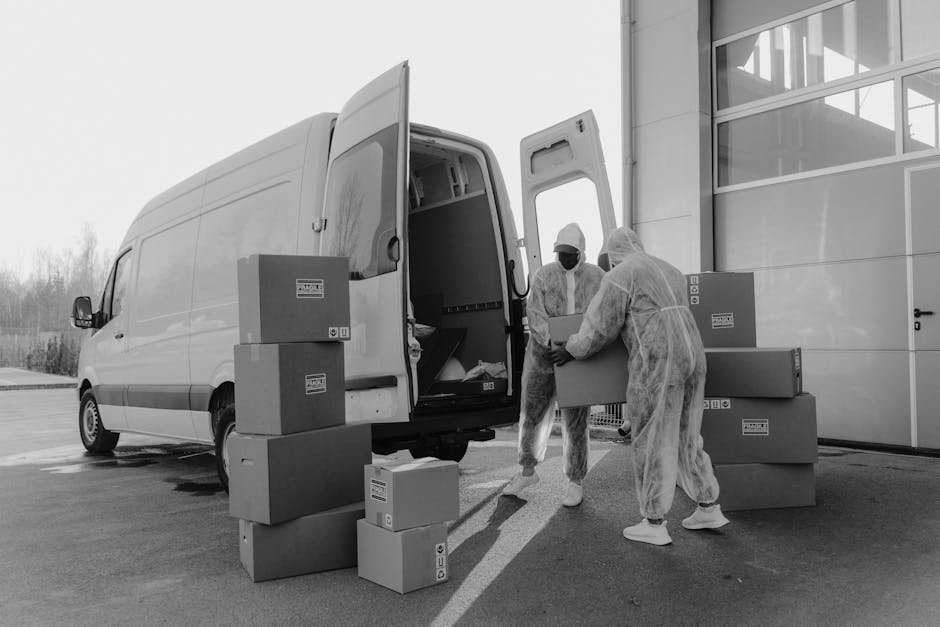
Removal van arrangements may be especially relevant where furniture, boxes and equipment need to travel together in one secure space. The loading order is important, because heavy goods need to sit safely and lighter goods need protection from pressure. If your move involves mixed contents, that structure can make the day feel less rushed and help the unloading process go more smoothly at the other end.
About Haringey
Haringey is a London borough in the north of the city, formed in 1965 from the earlier boroughs of Hornsey, Wood Green and Tottenham. It stretches from the green ridges of Highgate and Muswell Hill down through busy urban centres such as Wood Green and Tottenham, giving the area a varied character that combines residential streets, shopping corridors and established neighbourhoods. The borough includes parts of the Lee Valley to the east and reaches toward Hampstead Heath and Alexandra Palace to the south and west, making it one of north London’s more topographically diverse districts. Alexandra Palace, often known as “Ally Pallyâ€, sits on a prominent hill and has long been one of the borough’s best-known landmarks, with views across the capital and a history linked to entertainment, broadcasting and public gatherings. Nearby, Lordship Recreation Ground and Finsbury Park provide significant open space, while the Parkland Walk follows the route of a former railway and offers a linear green corridor between borough edges. Tottenham has strong associations with football, local industry and transport, while Crouch End is known for its village-like centre, independent shops and arts scene. The borough also includes a mix of Victorian terraces, interwar estates, post-war housing and newer developments, reflecting the changes that have shaped north London across the nineteenth and twentieth centuries. Haringey’s main road network and rail connections link it closely with neighbouring parts of Islington, Hackney, Enfield and Camden, and its neighbourhoods continue to show a blend of historic settlement patterns and modern urban life.
Household moves with sensible handling and clear communication
When a domestic move needs to feel manageable, the most helpful approach is often the simplest one. Keep the items grouped by room where possible, identify anything fragile, and make sure the main access points are usable on the day. These small steps do not take much time, yet they can make a real difference to how quickly the move is loaded, transported and unloaded. A practical move is usually a planned one.
For customers comparing options, house movers is a useful page when the focus is on moving a home rather than a single item or a business load. It sits alongside related domestic services such as house removalists, which can help if you are looking at wording and scope for a broader household relocation. Both can be relevant where the move includes furniture, boxes and the ordinary contents of a lived-in property.
Where a move is more involved, it is sensible to note any items that should be handled separately, such as mirrors, glass tables or electrical goods. That lets the move be arranged with the right care from the outset. If you are weighing up what to book, ask for a quotation once the main items and addresses are known, and the details can then be matched to the job in hand.
Recycling, disposal and linked moving tasks

Some removal jobs involve more than transport alone. Customers often want certain items moved to a new property while other unwanted pieces are taken away or separated for disposal. That can include old furniture, surplus household goods or items being cleared to make room for a fresh start. Where a move and a clear-out overlap, the job benefits from a careful split between what is keeping pace with the move and what is being removed from circulation.
Recycling and sustainability is relevant when you want to understand how reusable items and waste materials may be handled within the broader moving process. It is sensible to think ahead about what can still be used, what should be separated, and what is no longer worth transporting. That makes the final load more straightforward and can reduce the amount of unnecessary carriage on the day.
For a final step, use a plain request if you want the job priced up and scheduled: contact us for a quotation. If you have the item list ready, the move can usually be discussed in a way that is direct and practical, without overcomplicating the arrangement.