Crouch End Removals Insider Tips for Narrow Streets
If you are planning a move in Crouch End, you already know the charm comes with a catch: lovely Victorian terraces, tight residential roads, parked cars that seem to appear from nowhere, and corners that can feel a bit too close for comfort. That is exactly why Crouch End removals insider tips for narrow streets matter. A move here is rarely about brute force; it is about timing, positioning, clear communication, and knowing how to work around the local layout without turning moving day into a street-level traffic jam.
Whether you are moving from a flat above a shop on Tottenham Lane, a family house near the Broadway, or a top-floor place with a staircase that has opinions of its own, a smart approach saves time, protects your belongings, and reduces stress. In this guide, we will cover what to do, what to avoid, and how to make narrow-street removals feel organised instead of chaotic. A calm move is possible. Honestly, it is more possible than people think.
Why Crouch End removals insider tips for narrow streets Matters
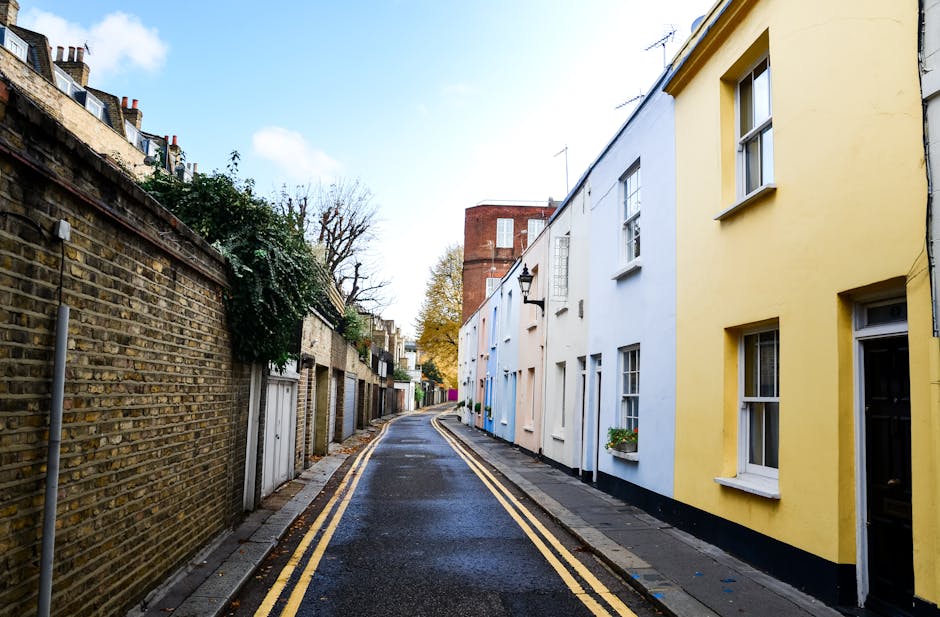
Crouch End is one of those London neighbourhoods where the street pattern shapes the moving experience as much as the contents of the house. The roads can be tight, visibility can be awkward, and even a perfectly parked vehicle can reduce an already slim lane to a very awkward squeeze. If you have ever watched a van inch around a parked car with someone waving from the pavement, you will know the feeling.
That is why the right move plan matters so much. Narrow streets affect where the removal vehicle can stop, how long loading takes, whether you need extra carrying distance, and how much notice neighbours or building managers may need. A move that looks simple on paper can become complicated when there is nowhere sensible to park. To be fair, that is London for you.
For local moves, the smallest details often make the biggest difference. Can the van wait without blocking traffic? Is there room for a trolley? Will the sofa fit around the staircase without damage? Are there permits, shared access points, or school-run traffic to consider? These are not side issues. They are the main event.
If you are also trying to compare service options, it can help to look at broader resources like removals in Haringey and more specific support such as house removals in Haringey or flat removals in Haringey. Crouch End often needs the same kind of practical planning, just with a few extra street-level complications.
How Crouch End removals insider tips for narrow streets Works
The basic principle is straightforward: reduce friction before moving day. In narrow streets, the biggest time losses usually come from parking delays, repeated trips, difficult access, and last-minute surprises. A good removal plan anticipates all four.
In practice, this means the team should know in advance where the van can safely stop, how much walking distance there will be from door to vehicle, whether bulky items need dismantling, and whether access is easier from the front, rear, or a side entrance. Sometimes the best loading point is not directly outside the property. Sometimes it is the nearest legal stopping point a short walk away. That is fine, as long as everyone knows it before the boxes start moving.
Here is the simple flow that usually works best:
- Assess the road and access points before booking.
- Choose the right size vehicle for the street and load.
- Pack with walking distance in mind, not just box count.
- Prepare items that need disassembly or extra protection.
- Set clear arrival windows around traffic and parking constraints.
- Keep neighbours, building contacts, or landlords informed where needed.
For some households, a flexible service like man and van in Haringey works well because it can be better suited to narrow access than a larger rigid setup. In other situations, the move needs a more complete package, which is where removal services in Haringey can make life easier.
And yes, a little planning goes a long way. The difference between a smooth move and a frazzled one is often just a few phone calls and a realistic loading plan. Not glamorous, but effective.
Key Benefits and Practical Advantages
Insider planning for narrow-street removals is not just about avoiding hassle. It has some very real benefits that you will feel on the day itself.
- Less wasted time: A clear loading plan reduces waiting, backtracking, and guesswork.
- Lower risk of damage: Shorter, better-managed carries usually mean fewer knocks on walls, banisters, and door frames.
- Better parking control: Knowing where the vehicle can stop helps avoid rushed and risky manoeuvres.
- Less neighbour friction: A tidy, well-timed move is far less likely to annoy the whole street.
- Smarter vehicle choice: The right van size can be the difference between easy access and a stressful block.
- More predictable costs: Efficient moves tend to stay closer to the original quote, especially when access has been described accurately.
There is also a quieter benefit: peace of mind. Once you know the plan works for the street, you stop second-guessing every detail. That matters more than people admit. Moving day is tiring enough without mental gymnastics.
If your belongings include awkward or valuable items, it may be worth exploring specialist options such as furniture removals in Haringey or piano removals in Haringey. Narrow access and heavy items are a tricky combination, and the more precisely they are handled, the better.
Who This Is For and When It Makes Sense
This approach is useful for a wide range of Crouch End moves, but it is especially relevant if you are dealing with older housing stock, limited on-street parking, or multi-storey access. In other words, quite a lot of Crouch End.
You will probably benefit most if you are:
- moving from a flat with tight stairs or shared entryways
- relocating from a terraced house on a narrow residential road
- moving with children, pets, or a lot of furniture
- trying to coordinate around school-time or commuter traffic
- working to a fixed timeslot from a landlord, agent, or completion chain
- moving offices or a home business from a street with limited stopping space
Students and renters often find that access problems are underestimated. A one-bed flat can still be awkward if the road is busy and the lift is out of action. For that reason, student removals in Haringey can be especially helpful when speed, flexibility, and cost control all matter at once.
Homeowners can also find the planning useful when they are selling or buying in the area. If you are in that stage, the local property guides on real estate in Haringey and steps to sell property in Haringey can help you think through timing, access, and the practical side of the move as part of the bigger picture.
Step-by-Step Guidance
A good narrow-street move does not happen by accident. It is usually the result of several boring-but-important steps done properly. Here is a practical way to approach it.
1. Check access before you confirm the booking
Walk the route from the property to the road. Look for low branches, tight corners, kerbs, narrow entrances, and anything that will make carrying harder than it needs to be. If the road is often lined with parked cars, note that too. A van that looks fine at 9 a.m. might not fit at 4 p.m.
2. Measure bulky items and problem items
Measure sofas, wardrobes, beds, desks, and anything especially awkward. Do not rely on memory. People often say, "It'll fit," and then discover the hallway has different ideas. If you are moving a large suite or specialist item, it can be wise to look at packing and box options in Haringey so the fragile and awkward items are properly prepared.
3. Choose the right vehicle and crew
On narrow streets, a smaller, more manoeuvrable vehicle may be better than a larger one, even if it means slightly more loading organisation. The goal is not just to carry everything; it is to do so without blocking the road or creating a bottleneck. If you need to compare service styles, man with a van in Haringey and removal van services in Haringey are worth reviewing in context.
4. Map out the loading sequence
Load the items you will need first in a sensible order. Boxes can go in by room or priority. Heavy items should usually be secured low and close to the base. Fragile items need space and protection, not just hope. A decent sequence saves time at both ends.
5. Plan the timing carefully
Try to avoid peak traffic if possible. In Crouch End, traffic can feel especially sticky around school runs and common commuter windows. Early starts can be a blessing, though not everyone enjoys being fully awake at that hour. Still, an extra half-hour at the right time can save a lot of faff.
6. Prepare the property before the van arrives
Clear hallways, remove loose rugs, protect door edges if needed, and make sure boxes are clearly labelled. If you are moving from a flat, tell residents or the building manager if shared areas will be used. For business moves, the more organised route is often to use office removals in Haringey with a clear schedule and item list.
7. Keep a final essentials kit separate
Medication, keys, chargers, tea bags, a few snacks, and toilet essentials should not vanish into the back of the van. Trust me, finding the kettle first on arrival is a morale boost. It sounds minor, but it matters.
Expert Tips for Better Results
Here is where the local experience really earns its keep. These are the sorts of details that can transform a move from "fine" into genuinely manageable.
First, use a realistic loading point. The nearest legal parking space is better than an idealised fantasy space outside the door. On a narrow road, certainty beats convenience every time.
Second, dismantle with the street in mind. A wardrobe that comes apart in the hallway is much easier to move than one that forces a slow, awkward carry down a tight staircase. A few screws now can save a lot of shoulder strain later.
Third, protect the weak points of the route. Corners, stair rails, and front-door thresholds are where damage usually happens. Simple coverings and careful handling go a long way.
Fourth, keep communication short and clear. If the van needs a call on arrival, make sure the driver has the right number. If access changes, say so early. The best move days are often the quiet ones, with people doing exactly what they said they would do.
Fifth, build in a margin for the unexpected. Someone parks too close. A lift is slower than expected. A neighbour's delivery truck appears. It happens. A buffer in your timing helps keep the whole day from tilting sideways.
Sixth, don't overload the first wave of boxes. It feels productive to stack everything by the door, but a chokepoint in a narrow hallway can create delays. Split items into clear zones instead.
For some moves, a small, responsive team is enough. For others, especially if storage or a staged move is involved, it may be smart to look at storage in Haringey so you are not trying to fit everything into one difficult day. That can be a relief, frankly.
Common Mistakes to Avoid
Most narrow-street moving problems are preventable. The trouble is, they are also easy to underestimate. Here are the ones that catch people out most often.
- Assuming the van can stop outside the property: It might not be possible, or it may not be legal.
- Forgetting to mention stairs or access restrictions: This can lead to the wrong crew setup or timetable.
- Not measuring the awkward furniture: Oversized items can derail the day if they were never tested against the route.
- Leaving packing until the last moment: Last-minute packing tends to create weak boxes and missing labels.
- Ignoring neighbour or building notices: Shared spaces and narrow streets work better when people are not surprised.
- Picking a vehicle that is too big: Bigger is not always better in Crouch End.
- Not factoring in weather: Rain adds slip risk, mess, and extra time. London rain has a talent for arriving at the least helpful moment.
The biggest mistake of all, though, is treating access as a minor issue. It is not minor. It is the backbone of the move. Once you accept that, everything gets easier to organise.
Tools, Resources and Recommendations
You do not need fancy kit, but a few practical tools make narrow-street removals much easier.
- Furniture blankets and wraps: Useful for door frames, polished wood, mirrors, and awkward corners.
- Trolleys and straps: These reduce carrying strain where access allows them to be used safely.
- Clear labels: Room labels help avoid confusion when boxes are taken in and out in stages.
- Basic tool kit: A screwdriver set, Allen keys, and tape can save the day when furniture needs quick disassembly.
- Protective gloves: Helpful for better grip, especially in wet weather or with rough-edged items.
- Parking or access notes: A simple written plan can prevent a lot of back-and-forth on moving day.
It also helps to use a provider whose wider service information is easy to check. Pages such as pricing and quotes, insurance and safety, and about us can give you a better sense of how the work is handled and what to expect. That kind of transparency matters, especially when access is awkward and you want no nasty surprises.
If you are comparing providers more broadly, you may also want to review removal companies in Haringey and the main services overview so you can judge which setup fits your situation best.
Law, Compliance, Standards, or Best Practice
For a move in Crouch End, the legal and compliance side is usually less about red tape and more about behaving sensibly in a shared environment. That said, a few points are worth keeping in mind.
Parking and loading: Make sure any stopping or loading arrangement is legal and appropriate for the street. If a permit or suspension is needed, check with the relevant local authority or building management in good time rather than assuming it will be fine on the day.
Health and safety: Safe lifting, clear walkways, sensible use of equipment, and careful handling of heavy items are standard expectations. Good movers should work in line with practical safety procedures, and you should too if you are helping.
Insurance and care: It is sensible to choose a service that explains how items are handled and what cover is in place. For peace of mind, it is worth reading the relevant service information before booking.
Building rules: Flats, managed blocks, and converted houses often have their own rules about access, lifts, and communal areas. These are not optional details. They affect timing and how the move is carried out.
Neighbour consideration: This is not a legal point, but it is good practice. Keep noise reasonable, avoid blocking entrances, and give people warning where you can. A little courtesy goes a long way in a tight street.
For more detail on company standards and general trust signals, pages like health and safety policy, terms and conditions, and privacy policy help set expectations in a straightforward way.
Options, Methods, or Comparison Table
Different move setups suit different street conditions. Here is a simple comparison to help you think it through.
| Approach | Best for | Strengths | Trade-offs |
|---|---|---|---|
| Small man and van setup | Single flats, lighter loads, tight roads | Flexible, easier to park, quicker in cramped streets | May need more care with packing and loading order |
| Full removal service | Family homes, heavier moves, larger furniture | More support, better for complex items, less stress | Can be less nimble on very tight roads |
| Split move with storage | Staged completions, renovations, overlap periods | Reduces pressure on moving day, useful when dates do not align | More planning and coordination required |
| Same-day local move | Fast turnaround, short-distance relocations | Simple and efficient if access is clear | Can become stressful if parking is not planned |
If your road is especially tight, a smaller vehicle with good local knowledge can often beat a larger van that has to make repeated awkward manoeuvres. That said, if you have more than one large item or a full household, the right answer may still be a broader service such as house removals in Haringey. It depends on the load, the street, and how much help you want on the day.
Case Study or Real-World Example
Imagine a move from a second-floor flat near Crouch End Broadway into a maisonette a few streets away. The properties are only a short drive apart, but the streets are lined with parked vehicles, and the access at both ends is narrow. The first instinct might be to keep everything simple and just book a van.
In practice, the smarter approach is a little more layered. The mover checks where the vehicle can legally stop, identifies the shortest safe carry from road to door, and asks which items are genuinely awkward. A bed frame comes apart the day before. The wardrobe is emptied and wrapped. The boxes are grouped so the essentials are loaded last and unloaded first. Because the timing is set to avoid peak traffic, the van arrives before the road becomes busier.
The result? No van circling for fifteen minutes looking for a fantasy parking spot. No panic about the sofa blocking the stairwell. No confusion about where the kettle went. Just a move that feels, well, manageable. Not effortless. But manageable, and that is a proper win in a narrow street.
This kind of planning is especially useful if your move overlaps with a wider life change, like buying or selling locally. The broader context around Haringey as a place for families can also help you think about schools, access, and day-to-day routines after the move, which is often just as important as move day itself.
Practical Checklist
Use this checklist a few days before the move. It keeps the job grounded and stops small issues from turning into bigger ones.
- Confirm the exact moving date and arrival window.
- Walk the route from property to street and note access issues.
- Measure large furniture and check doorways, stair turns, and lifts.
- Decide where the van can legally and safely stop.
- Tell the mover about narrow streets, parking limits, or timed restrictions.
- Pack fragile items separately and label them clearly.
- Dismantle any furniture that would be awkward to carry assembled.
- Protect floors, door edges, and bannisters where needed.
- Keep keys, documents, chargers, and essentials together.
- Notify neighbours or building contacts if shared access will be used.
- Set aside a small cleaning kit and a roll of bin bags.
- Have a backup plan if the road is blocked or the weather turns bad.
Expert summary: In narrow Crouch End streets, the best removals are won before the van arrives. Accurate access details, realistic timing, and the right vehicle choice usually matter more than people expect. Get those right, and the rest gets much easier.
Conclusion
Crouch End removals can be smooth, even in narrow streets, if you plan around the road rather than pretending the road does not matter. That is the real insider tip. Check access early, choose the right vehicle, pack with the carry route in mind, and keep communication clear. Small changes add up quickly.
If you are moving locally, or you just want a team that understands tight streets, awkward parking, and the practical reality of London moves, the right support makes a real difference. And if you are still weighing up your options, take a moment to compare services, costs, and safeguards before you book. A little care now can save a lot of stress later.
Get a free quote today and see how much you can save.
And when the last box is in, the kettle is on, and the street noise settles back into the background, it all feels a bit more human again.
Frequently Asked Questions
What makes Crouch End removals tricky on narrow streets?
The main challenge is access. Narrow roads, parked cars, limited stopping space, and awkward corners can slow loading and increase the risk of damage if the move is not planned properly.
Should I book a small van for a Crouch End move?
Often, yes, especially if the street is tight or parking is limited. A smaller vehicle can be easier to position safely, though the right choice depends on the size of your load and the access at both ends.
How far in advance should I plan a move in a narrow street?
As early as possible. A few days can be enough for a very small local move, but more complex jobs benefit from longer planning, especially if parking or building access needs to be arranged.
Do I need to measure furniture before moving day?
Absolutely. Measuring sofas, wardrobes, beds, and stair turns helps prevent surprises. It is one of the simplest ways to avoid delays and unnecessary lifting on the day.
What should I tell the removals team about my property?
Tell them about the street width, parking restrictions, stairs, lifts, entry codes, shared entrances, and any bulky or fragile items. The more accurate the information, the smoother the move.
Can removals be done if the van cannot park right outside?
Yes. Many moves in London involve a short carry from the nearest legal stopping point. The key is to plan that distance in advance so the team knows what to expect.
How can I reduce the chance of damage in a narrow hallway or staircase?
Clear the route, dismantle large furniture where possible, protect corners and bannisters, and use proper wrapping for delicate items. Slower and steadier usually wins here.
Are same-day removals realistic in Crouch End?
Sometimes, yes, if the move is small and access is straightforward. For more support, it may be worth looking at same-day removals in Haringey and checking whether your street conditions suit a quick turnaround.
What if I need storage because the timing does not line up?
Then short-term storage can be a sensible bridge. It takes pressure off moving day and helps if completion dates or access windows do not match neatly.
How do I compare removal quotes fairly?
Compare what is included, not just the headline price. Check vehicle size, labour, access assumptions, timing, and whether extra handling or awkward access is accounted for. That is often where the real difference shows up.
Is it worth choosing a local Haringey mover for a Crouch End street?
Usually, yes. Local knowledge matters in areas with tight streets and mixed housing stock. A team that understands the area is more likely to plan access realistically and avoid delays.
What is the biggest mistake people make with narrow-street removals?
Underestimating access. People often focus on packing and forget the street itself. In Crouch End, the road layout is not a side issue; it is central to the whole moving plan.