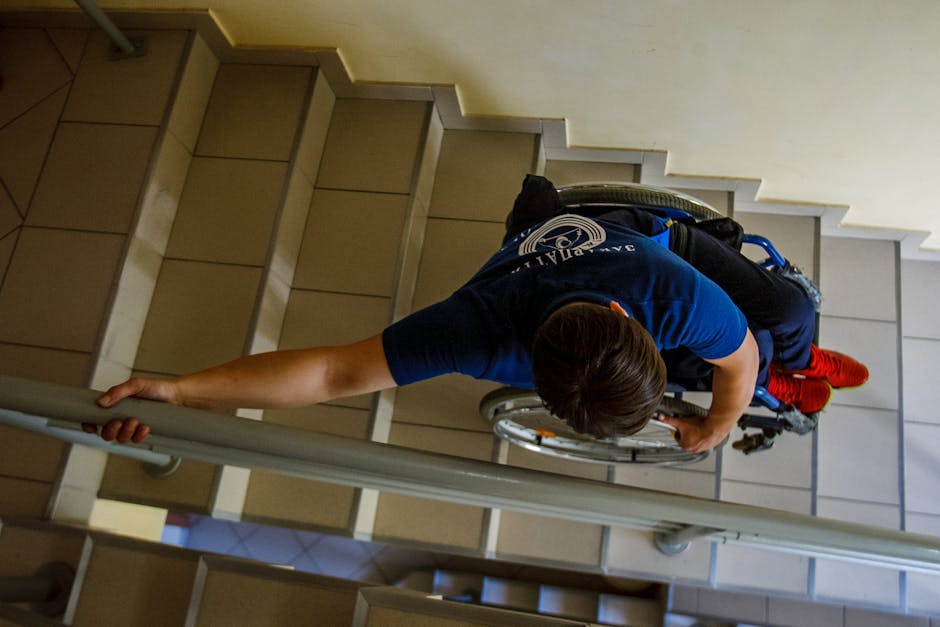
Managing stairs and lift problems for Haringey removals: a practical guide for smoother moves
Stairs, lifts, awkward landings, and narrow hallways can turn a normal move into a bit of a slog. If you are moving in or around Haringey, you already know the drill: Victorian conversions with tight turns, modern flats with temperamental lifts, and the occasional top-floor walk-up that makes you question all your life choices. This guide to managing stairs and lift problems for Haringey removals is here to make the process calmer, safer, and far more organised.
We will walk through what matters, how movers handle access issues, what to check before moving day, and how to avoid the common mistakes that cost time and energy. You will also find a checklist, a comparison table, and a few realistic local examples. Truth be told, the difference between a stressful move and a decent one often comes down to access planning.
Why Managing stairs and lift problems for Haringey removals Matters
Access issues are not a small detail. They shape how long the move takes, how many people are needed, what can be carried safely, and whether furniture arrives intact. In Haringey, this matters even more because the housing stock is mixed. You get basement flats, maisonettes above shops, converted houses with split levels, and blocks where the lift is either tiny or out of service just when you need it most.
When stairs or lifts are not planned for, the knock-on effect is immediate: longer loading times, more fatigue, greater risk of damage, and a higher chance of delays on the road. That can matter if you are using a man and van Haringey service, booking a full house removals Haringey job, or arranging a smaller flat move where every trip counts.
There is also the human side. Carrying boxes up three flights of stairs on a warm afternoon can leave even fit people looking slightly haunted. Been there, seen it. If access is handled well, the team moves with rhythm instead of panic, and you feel that difference almost straight away.
How Managing stairs and lift problems for Haringey removals Works
Good access management starts before anyone lifts a box. The key is to turn the property into a moving plan: where the vehicle can stop, which entrance is usable, whether the lift is bookable, how many stairs there are, and which items may need extra handling.
For many moves, the process looks like this:
- Assess the access route from van to front door, then from front door to the room where items sit.
- Identify obstacles such as narrow stairwells, sharp corners, low ceilings, or lifts with limited size or weight limits.
- Match the crew and equipment to the property, rather than sending a one-size-fits-all setup.
- Protect surfaces using blankets, straps, and floor coverings where needed.
- Stage the move so larger or fragile pieces go first, and smaller cartons fill the remaining gaps.
For flats, access is often the deciding factor. If you are moving into a top-floor apartment near Green Lanes or a converted period property in Crouch End, the job may be straightforward in theory but fiddly in practice. That is why services like flat removals Haringey are usually planned around access rather than volume alone.
The lift question is just as important. A lift is helpful only if it works, is booked, and is large enough for the items you actually need to move. A small lift that fits one wardrobe section at a time can be useful, but it will not magically save the day. Slightly annoying, yes, but manageable when everyone knows the plan.
Key Benefits and Practical Advantages
Managing stairs and lift problems properly gives you more than convenience. It protects the move from avoidable friction. Here are the main benefits.
- Less damage risk to furniture, walls, banisters, and door frames.
- Better time control because loading and unloading follow a realistic pace.
- Safer handling for the crew and for you, especially with heavy or awkward items.
- Lower stress because there are fewer surprises on moving day.
- Cleaner coordination with neighbours, building managers, and parking arrangements.
There is another advantage people sometimes overlook: better sequencing. Once a mover understands the stairs or lift situation, they can decide whether to dismantle items, how to wrap them, and what should be loaded last so the unload at the other end is smooth.
If you are moving furniture specifically, this becomes even more valuable. Large sofas, beds, and wardrobes often need turning, tilting, or partial dismantling. A well-planned move that includes furniture removals Haringey is usually faster than trying to brute-force everything through a tight stairwell. That rarely ends well, to be fair.
Who This Is For and When It Makes Sense
This approach is useful for almost anyone moving in Haringey, but it matters most for a few groups:
- Flat movers in purpose-built blocks, maisonettes, or converted houses.
- Families moving heavier household furniture up or down stairs.
- Students moving into or out of upper-floor accommodation, often on tight schedules.
- Office teams handling equipment, archive boxes, and desks in buildings with limited lift capacity.
- Anyone with bulky items such as wardrobes, white goods, pianos, or awkward exercise machines.
It also makes sense when time is tight. If your property handover is same day, access issues have less room for error. In those cases, an organised crew and a realistic plan can be the difference between a straightforward handover and a late finish. If that sounds like your situation, a same day removals Haringey option may be worth discussing early.
And if you are between homes for a couple of days, storage can take pressure off the move entirely. That is often the neatest fix when lifts are unreliable or stair access is just too tight for larger pieces. The point is simple: the plan should fit the building, not the other way round.
Step-by-Step Guidance
Here is a practical way to manage stairs and lift access without overcomplicating it.
1. Walk the route before moving day
Start from the vehicle parking point and walk all the way to the flat or room. Count stairs, note landings, check if railings are sturdy, and look for tight turns. If you can, do it while carrying a medium-size box. It gives you a much more honest feel for the route than just glancing at it and thinking, "yeah, that'll be fine."
2. Measure the large items
Measure the height, width, and depth of sofas, beds, tables, wardrobes, and appliances. Then compare those dimensions against doorways, lift openings, and stair turns. The goal is not perfection; it is avoiding the obvious mismatch before the team arrives.
3. Confirm lift details in writing where possible
If the building has a lift, check whether it can be reserved, what the operating hours are, and whether there are move-in rules. Some buildings require advance notice. Some do not. Either way, it pays to know before the van arrives.
4. Protect the building and your items
Use blankets, covers, and floor protection where required. This is especially important on painted walls, polished stair rails, and shared hallways. A small scuff can turn into a very unhelpful conversation with a landlord or building manager.
5. Decide whether items should be dismantled
Flat-pack furniture, bed frames, and some wardrobes are easier and safer in pieces. Dismantling may feel like a nuisance in advance, but it usually saves time at the property. For fragile or heavy pieces, it is often the least painful route.
6. Stage loading in the right order
Heavy and awkward pieces should usually be handled first, while smaller boxes fill the remaining space. That creates a cleaner flow and reduces the need to keep backtracking up and down stairs. The right loading order really does matter.
7. Keep a backup plan for lift failure
Lifts sometimes fail without warning. It happens. If the lift stops working, the move should still continue safely using the stairs, but the schedule may need adjusting. Build that possibility into the plan so nobody is caught off guard.
Expert Tips for Better Results
These are the kinds of details that tend to make a real difference on the day.
- Book a parking spot if possible. Long carries from the van to the entrance drain time and energy very quickly.
- Label boxes by room and priority. That reduces extra trips when stair access is slow.
- Keep essentials separate. Kettle, chargers, paperwork, toiletries, and a change of clothes should not end up at the bottom of a stacked pile.
- Tell the movers about the awkward bit. If there is a narrow stair bend or a lift that stops on odd floors, say so early. Nobody loves surprises halfway through a wardrobe turn.
- Plan for real people, not ideal conditions. Rain, traffic, hallway congestion, and other residents using the lift can all change the tempo of the move.
In our experience, the best moves are not the ones with the fanciest equipment. They are the ones where everyone knows the layout, the timing, and the awkward bits before they start. Simple, but surprisingly rare.
If your move involves bulky or expensive items, check whether the team can handle specialist handling too. That matters for glass, artwork, and upright instruments. For sensitive loads, it may be worth looking at piano removals Haringey or other specialist support, depending on what you own.
Common Mistakes to Avoid
A lot of access trouble comes from predictable mistakes. The good news? Most are easy to avoid.
- Assuming the lift will be available all day. Some lifts are booked or restricted.
- Ignoring stair width and ceiling height. This is how you end up turning a mattress like a magician with a bad attitude.
- Forgetting to mention parking restrictions. If the van cannot stop nearby, the move slows down fast.
- Not checking building rules. Noise windows, loading bays, and move-in permissions can all affect timing.
- Overpacking boxes. Heavy cartons are much worse on stairs and more likely to split.
- Leaving dismantling until the last minute. That adds pressure and often creates avoidable delays.
One common oversight is underestimating fatigue. A staircase that looks manageable at 9 a.m. can feel like a different beast by early afternoon when everybody is on their third or fourth trip. That is normal. Plan for it.
Tools, Resources and Recommendations
You do not need a warehouse of equipment, but a few practical tools make stair and lift moves easier.
- Furniture blankets and straps for protecting edges and keeping items secure.
- Sturdy gloves for grip and better handling on rails, boxes, and awkward frames.
- Clear labels for identifying rooms, fragile items, and priority boxes.
- Flat-pack tools such as hex keys, screwdrivers, and small bags for fixings.
- Floor protection for shared hallways or delicate surfaces.
- Tape measure for quick doorway and lift checks.
For planning support, a broader removals page can help you compare the moving options available. You may also find it useful to read about removal services Haringey and see how different service levels suit different types of access challenges.
If you are still comparing providers, it is sensible to review removal companies Haringey and the wider services overview. That gives you a clearer picture of what is included and what may need to be arranged separately.
Law, Compliance, Standards, or Best Practice
For most home moves, the practical focus is on safety, access, and care. That said, there are a few common best-practice points worth keeping in mind.
Move teams are expected to handle lifting safely, avoid damaging property where reasonably possible, and manage risk in line with standard health and safety practice. In shared buildings, it is also sensible to respect communal areas, building rules, and any access instructions from the landlord, managing agent, or concierge.
If you are planning a move in a block with shared lifts or tight stairwells, common best practice includes:
- keeping routes clear of loose items and trip hazards;
- using suitable lifting methods for heavy objects;
- protecting walls, floors, and door frames where needed;
- communicating with building staff before arrival if required;
- checking whether insurance arrangements cover accidental damage during transit or access handling.
If you want to understand how a provider approaches risk and care, the pages on insurance and safety and the health and safety policy are useful places to start. They help set expectations and, frankly, make it easier to feel comfortable before moving day.
For those who need reassurance on service standards and customer treatment, the company pages on about us and terms and conditions can also help clarify how the process is handled. A little reading now saves a lot of back-and-forth later.
Options, Methods, or Comparison Table
Different access problems need different approaches. Here is a simple comparison to help you judge what fits best.
| Method | Best for | Pros | Trade-offs |
|---|---|---|---|
| Stairs only | Small moves, light furniture, short flights | Simple, direct, no lift dependency | More physically demanding; slower for heavier loads |
| Lift-assisted move | Flats with working lifts and clear booking rules | Usually faster and easier for bulky items | Can be limited by size, weight, or access windows |
| Mixed method | Buildings with both stairs and usable lift access | Flexible; useful when larger items need lift support | Needs good coordination to avoid bottlenecks |
| Split load or staged move | Very tight access, busy buildings, or long carries | Reduces pressure on one single move window | May take more planning or extra visits |
If you are moving from a busy road or a building with awkward access, sometimes the smartest option is not the fastest-looking one. A split load can feel slightly old-school, but it can save a lot of hassle when stairs are steep or lifts are unreliable.
For short-notice situations, especially in busy local streets, a responsive option like man with a van Haringey may suit smaller or simpler access jobs. For more flexible load handling, some people prefer a broader man with van Haringey arrangement. The right choice depends on the building, not just the boxes.
Case Study or Real-World Example
Imagine a family moving out of a third-floor flat in Harringay. The lift is small, the stairwell is narrow, and the sofa does not really want to turn the corner. There is also a delivery van issue because the road is busy in the morning. Nothing dramatic, but enough to cause friction if nobody plans ahead.
Here is how that move usually goes better:
- The mover checks the lift dimensions and agrees that the larger sofa sections will be handled by stairs only if needed.
- Items are labelled by room so the crew can keep the landing clear.
- Fragile boxes are moved first while everyone is fresh.
- The heaviest items are dismantled the evening before, not on the hallway floor at 8:30 a.m.
- The van is parked as close as possible so there is less carrying distance.
The result is usually not glamorous, but it is steady. Fewer pauses. Fewer door-frame scrapes. Less muttering under breath, which is always a good sign. And if there is an unexpected delay, the team can adapt because the route and the access limits were already understood.
For local context, this kind of planning is especially useful in areas with mixed housing and busier roads. Articles such as the Harringay Green Lanes flat removals access guide, the Crouch End narrow-streets guide, and Wood Green moving tips can give you a better feel for local access conditions. Different streets, different headaches. Same basic lesson: plan the approach.
Practical Checklist
Use this checklist a few days before moving day. A quick run-through now can save a lot of running around later.
- Measure stairs, landings, and lift openings.
- Confirm whether the lift is working and whether it needs booking.
- Check parking options close to the property.
- Measure large furniture and appliances.
- Dismantle items that are awkward or oversized.
- Pack heavy items into smaller boxes.
- Label boxes by room and priority.
- Protect fragile items with enough wrapping.
- Tell the movers about any tight corners or steep stairs.
- Keep essentials separate for the first night.
- Make sure building rules, time windows, and access codes are ready.
- Have a backup plan if the lift is unavailable.
Expert summary: if you deal with access early, you reduce damage, save time, and make the whole move feel less like a scramble. It is not magic. It is just good preparation, honestly.
For related planning help, you may also want to look at packing and boxes Haringey and package and boxes Haringey so your cartons are ready for stairs, turns, and carry time. Good packing makes access problems far less painful.
Get a free quote today and see how much you can save.
Conclusion
Managing stairs and lift problems for Haringey removals is mostly about forethought, clear communication, and a calm approach to the building itself. If you know the route, measure the awkward bits, and match the moving plan to the access available, the day becomes much more manageable. Not perfect maybe, but manageable. And that counts.
Whether you are moving from a compact flat, a family home, or a building with a lift that has its own ideas, the same principle applies: respect the space, plan the carry, and keep the process realistic. Do that, and the move has a far better chance of ending with relief instead of exhaustion. Sometimes that is the win.
If you are ready to talk through the details, start with the team's service information and make the access situation part of the conversation from the beginning. A bit of planning now can save a whole lot of stair climbing later.
Frequently Asked Questions
How do movers handle stairs when there is no lift?
They usually plan the route carefully, assign the right crew, protect the property where needed, and sequence items so the heaviest pieces are handled safely. For smaller moves, stairs-only access is often fine. The key is not pretending it is easier than it really is.
Should I tell the removal company about lift problems in advance?
Yes. Always. If the lift is broken, booked, too small, or restricted at certain times, that affects the whole move plan. Early notice helps avoid delays and means the crew can bring the right equipment and time allowance.
What if the lift stops working on moving day?
Most moves can still continue using the stairs, but the schedule may need to change. It is best to build a bit of flexibility into the plan, especially for upper-floor flats or heavier furniture.
Are stairs a problem for large furniture like wardrobes or sofas?
They can be, especially in narrow stairwells or buildings with tight turns. Sometimes the item needs to be dismantled first, and sometimes a different route through the property is safer. Measuring in advance helps a lot.
Can a man and van service manage awkward stair access?
Often yes, particularly for smaller loads or straightforward properties. For more complex access, it is worth checking whether the service level matches the building and the furniture involved. A quick conversation before booking makes a big difference.
What should I measure before booking a move?
Measure the furniture, doorways, stair width where possible, lift opening size, and any corners or landings that look tight. It sounds fussy, but it is the easiest way to avoid a last-minute surprise.
Is it worth dismantling furniture before the move?
Usually yes for larger items, particularly when stairs or lifts are awkward. Dismantled furniture is easier to carry, less likely to catch on walls, and often quicker to move overall.
How do I protect walls and banisters during a stair move?
Use blankets, covers, and careful handling. It also helps to keep the stairway clear and avoid rushing. Shared hallways and painted surfaces need a bit of extra care, especially in older Haringey buildings.
What is the best way to prepare boxes for a walk-up flat?
Keep boxes smaller and lighter than you might use for a ground-floor move, label them clearly, and avoid overfilling them. Small boxes are easier to carry up stairs and far less likely to split halfway through the move.
Do building rules matter for removals in flats?
Yes, they often do. Some buildings have move-in windows, lift booking rules, loading restrictions, or requirements to protect communal areas. It is better to check in advance than discover the rules when the van is already outside.
When should I choose storage instead of forcing everything into one day?
If access is awkward, timing is tight, or not everything fits safely through the stairs or lift, storage can make the move much smoother. It gives you breathing room and reduces pressure on a difficult day.
How can I get the most accurate quote for a stair-heavy move?
Be specific about the floor level, lift situation, parking access, and any large or fragile items. The more detail you give, the more realistic the quote will be. Vague details usually lead to awkward adjustments later.
For more background on the local area and the kinds of homes people move into and out of, you might also find why Haringey works well for families, the Haringey buyer's guide, and steps to sell property in Haringey useful as supporting reading. Different move, same borough, same need for sensible planning.