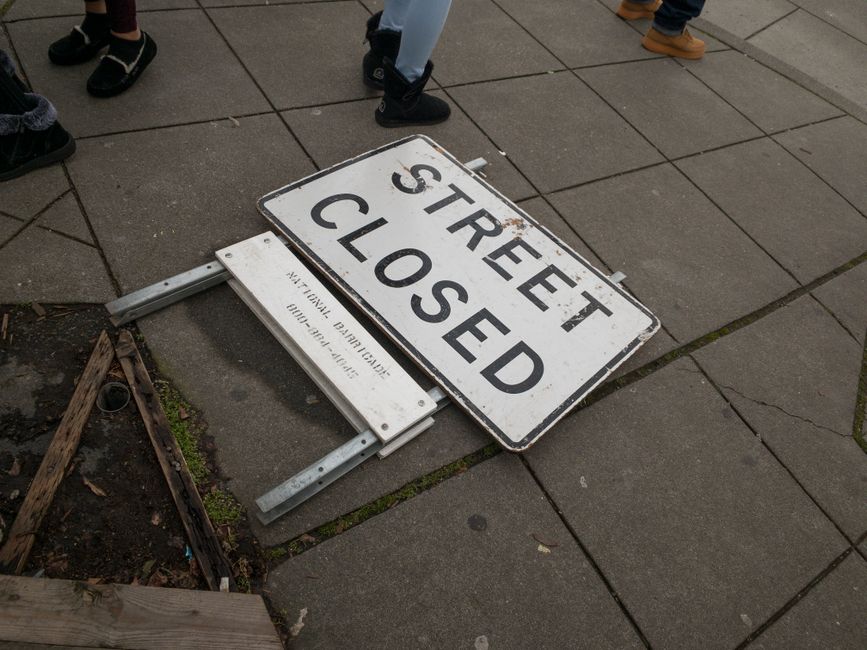
Street closure fines Haringey rules for removals: what to know before moving day
If you are planning a move in Haringey, the small details can trip you up faster than the heavy lifting. Street closure fines Haringey rules for removals is one of those topics people only search for after something has already gone wrong: a van blocked the wrong bay, a permit was missed, or neighbours complained because the pavement was jammed with boxes at 8am. To be fair, removals are stressful enough without a ticket landing on the doormat.
This guide explains the local moving risks in plain English, how street closures and access restrictions can affect removals, and what sensible planning looks like in practice. You will find a step-by-step process, common mistakes, best practice, and a simple checklist you can actually use. If you want a removal day that feels calm rather than chaotic, start here.
- Why street closure fines and Haringey removal rules matter
- How the process works in practice
- Key benefits of planning ahead
- Who needs this guidance
- Step-by-step guidance
- Expert tips for a smoother move
- Common mistakes to avoid
- Tools, resources and recommendations
- Law, compliance and best practice
- Options and comparison table
- Case study / real-world example
- Practical checklist
- Conclusion
- Frequently asked questions
Why Street closure fines Haringey rules for removals Matters
Street access is not a small detail in a move; it is often the difference between a tidy, efficient removal and a day full of delays. In a borough like Haringey, narrow residential roads, permit-controlled bays, busy high streets, and shared access points can all create friction. If a van stops where it should not, or a street closure is arranged badly, the risk is more than inconvenience. You can face fines, a disrupted schedule, frustrated neighbours, and extra labour costs.
That matters for both home moves and business moves. A house removal can be delayed if a loading area is unavailable. An office relocation can become a headache if a large vehicle cannot get close enough to the entrance. Even a simple furniture pick-up can be made harder by parking restrictions. You may think, "It's only for an hour." Unfortunately, the council or enforcement team does not always see it that way.
There is another reason this topic matters: removal work happens in layers. One small planning error often leads to a chain reaction. A van arrives late, the lift booking is missed, a neighbour blocks access, and suddenly the crew is waiting while boxes sweat in the hallway. That is the moment costs begin to creep up.
If you are comparing removal services, it is worth asking how they handle access, waiting time, and parking restrictions before move day. The best operators plan around the street, not just the address.
How Street closure fines Haringey rules for removals Works
Let's keep this practical. Street closure rules and fines usually come into play when a vehicle, loading activity, or temporary obstruction affects public space. That could mean a van parked where loading is not permitted, a temporary closure requested for access, or equipment placed on the carriageway or pavement without proper permission. The exact process depends on the location, the road type, the timing, and the level of impact.
In everyday moving terms, the main question is simple: can the vehicle stop legally and safely close enough to the property to load or unload without causing a problem? If the answer is no, then you need a plan. That plan may involve a different vehicle size, a timed arrival, more carrying distance, or formal permission for restricted access.
Here is the bit people often miss. A "quick stop" is not automatically okay just because it is a removal. If the street has restrictions, loading bays, double yellow lines, bus lanes, residents-only rules, or controlled hours, you still need to work within the rules. A removal crew can be efficient and still be non-compliant. Efficiency does not cancel enforcement, sadly.
In practice, the best removal planning usually follows these steps:
- Check the property access and street layout well before the move.
- Confirm whether parking or loading restrictions apply at your moving time.
- Decide if a smaller vehicle, a larger vehicle, or a second trip makes more sense.
- Arrange any necessary permissions or temporary access control in advance.
- Brief everyone involved so no one improvises on the day.
For some moves, especially flats or offices, it can be helpful to look at man and van options rather than assuming a larger truck is best. Smaller vehicles are sometimes easier to park, easier to manoeuvre, and less likely to create access issues.
Key Benefits and Practical Advantages
Planning around street closure fines and Haringey removal rules is not just about avoiding trouble. It actually makes the move easier. A lot easier.
- Lower risk of fines or enforcement action: You reduce the chance of being penalised for illegal stopping, obstruction, or unmanaged access issues.
- Smoother loading and unloading: The crew can work closer to the property, which saves time and effort.
- Less stress on move day: People are calmer when they know the vehicle has somewhere sensible to stop.
- Better protection for furniture: Shorter carrying distances usually mean fewer knocks, scrapes, and near misses in stairwells and hallways.
- More accurate pricing: If access is assessed correctly, you are less likely to get hit by avoidable delays or extra waiting time.
- Improved neighbour relations: A tidy, disciplined move leaves a much better impression than one that blocks the whole street for half the morning.
There is also a quieter benefit: good planning feels professional. You can tell when a move has been thought through. The van parks neatly, the carry route is clear, the boxes are ready, and nobody is wandering around with a trolley asking, "Where does this go?" That kind of order saves energy.
If you are organising a bigger move, a well-run house removals service or a structured office removals plan can make a noticeable difference to how access is handled. Especially where streets are tight or parking is limited.
Who This Is For and When It Makes Sense
This guidance is useful for anyone moving in or out of Haringey, but some groups need it more than others.
- Flat movers: If you live on a busy road or in a block with limited loading space, access planning is essential.
- Families moving house: When there are children, pets, and a lot of personal items, delays become especially disruptive.
- Office managers: Business relocations often need precise timing because staff, IT equipment, and deliveries all depend on the schedule.
- Landlords and letting agents: You may need to coordinate move-out and move-in access cleanly between different parties.
- People arranging furniture pick-ups: One large item can still cause a street issue if parking is awkward.
It also makes sense if you are unsure about the local parking situation. Haringey can vary street by street. A road that seems fine at lunchtime may be tightly controlled at school run time or during certain permit periods. Tiny detail, big consequence.
If you are not sure where to start, a quick conversation with a trusted removal company can help you judge whether the move needs simple access planning or something more formal. That first conversation is usually where the hidden risks show up.
Step-by-Step Guidance
Here is a sensible way to plan a removal without leaving access to chance.
- Assess the street first. Look at the width of the road, nearby junctions, bays, and any obvious restrictions. If you can, visit at the same time of day as the move. Morning light can be misleading; a road that looks calm at 10am may be full of parked cars by 2pm.
- Check loading and parking conditions. Identify whether the van can legally stop close to the property. Pay attention to permit bays, time limits, and restrictions that apply differently on weekdays and weekends.
- Estimate carry distance. If the vehicle cannot get close, work out how far items will need to be carried. That affects time, labour, and the risk of damage.
- Choose the right vehicle. Sometimes a smaller vehicle is the smarter option. Other times, a larger one with the right access plan is better. There is no one-size-fits-all answer.
- Prepare permission or notices where needed. If a street closure, bay suspension, or other access arrangement is required, handle it early rather than the night before. Last-minute fixes are usually expensive and messy.
- Pack and label properly. Good packing shortens the stop-start rhythm of a move. It sounds obvious, but the fastest crews are usually the ones with the neatest boxes.
- Build a buffer. Give yourself extra time for parking, lift access, and unexpected delays. One blocked entrance or one delivery lorry can throw the whole day off.
- Keep communication simple. Make sure everyone knows where to park, which entrance to use, and who is managing the keys, lift, or loading area.
If packing still feels like too much, the support of packing and unpacking services can take a surprising amount of pressure off the day. A move is not only about transport; it is about sequencing.
Expert Tips for Better Results
Here is the practical stuff that often separates a calm move from a messy one.
- Ask about the exact parking setup, not just the address. The postcode tells you very little on its own.
- Use a smaller vehicle when access is narrow. It may mean one extra trip, but less risk of penalties and blockages.
- Protect the route inside the property. Hallways and stairs matter as much as the street outside.
- Keep a "first load" pile ready. Essentials, fragile items, and any paperwork should be clearly separated.
- Talk to neighbours if the move is likely to affect them. A quick heads-up can prevent tension. People are usually more forgiving when they know what is happening.
- Plan for weather. Rain makes long carry distances awkward and slows everything down. A couple of small mats or covers can help more than you think.
A slightly old-school tip: if the street is tight, do not treat the move like a race. Fast is good. Controlled is better. You want the van to fit, the route to stay clear, and the crew to avoid that awkward shuffle where one person is trying to reverse while another is holding a wardrobe at arm's length. Nobody enjoys that moment.
For household moves, a properly arranged home moves service can help with the rhythm of the day, while moving van planning can make access management more realistic than just booking the biggest vehicle available.
Common Mistakes to Avoid
Most move-day fines and access headaches come from a handful of predictable mistakes.
- Leaving parking until the morning of the move: By then, your options are limited and tempers are higher.
- Assuming a removal van can stop "just for a minute": Enforcement does not always care that it was quick.
- Ignoring school times, market days, or commuter traffic: Local patterns matter a lot in Haringey.
- Booking a vehicle that is too large: Bigger is not always better. Sometimes it is just more difficult.
- Failing to brief the people on site: If the driver, movers, and resident all have different ideas, the day gets messy fast.
- Not accounting for lift or stair access: Street access is only half the puzzle.
One real-world pattern we see often: a customer books a big vehicle to "do it in one go", but the street is narrow and the loading space is limited. In the end, the extra size creates more delay than benefit. That is the sort of thing that feels efficient on paper and awkward in practice. A bit annoying, truth be told.
Tools, Resources and Recommendations
You do not need fancy kit to manage street access properly, but a few practical tools help:
- A floor plan or simple sketch: Mark the loading point, entrance, stairs, lift, and where boxes will go.
- A moving-day timetable: Keep arrival time, key handover, loading start, and departure in one place.
- Printed or saved contact details: Do not rely on memory when the phone battery is low and your hands are full.
- Labels and colour coding: These reduce confusion when items come off the van.
- Protective covers and tape: Not glamorous, but extremely useful.
On the service side, compare providers on more than price. Look at how they talk about access planning, safety, and timing. A clear pricing and quotes page is useful only if it is backed by transparent assumptions about loading, waiting, and route complexity. Likewise, a strong health and safety policy tells you the business takes move-day risks seriously.
When the move is commercial rather than domestic, access planning becomes even more important. If you are relocating stock, furniture, or equipment, it may be worth reviewing commercial moves alongside the practical street plan. A warehouse crate does not care about your schedule, unfortunately.
Law, Compliance, Standards, or Best Practice
With local moving work, the safest approach is to treat street restrictions seriously and plan conservatively. Haringey, like other London boroughs, can enforce parking, loading, and obstruction rules through its own local controls. The precise details can change depending on the road, the time of day, and whether a permit or formal arrangement is needed.
So the best practice is not to guess. Check the restrictions relevant to the exact property and timing of the move, then build your plan around those limits. If any part of the job involves stopping in a controlled area, using a temporary closure, or placing items where they might obstruct access, that should be reviewed before the van turns up.
From a professional standards perspective, you should expect:
- clear communication about access requirements;
- honest advice if the vehicle size is not suitable;
- careful handling of loading, parking, and entry points;
- safe moving practices around pedestrians and neighbours;
- transparent pricing where access complexity may affect the job.
If you are comparing operators, review their insurance and safety information and their terms and conditions. Those pages often tell you a lot about how the company handles delays, access problems, and responsibilities on the day.
Options, Methods, or Comparison Table
There is more than one way to handle a move with limited street access. The right option depends on the street, the load, and the time available.
| Option | Best for | Pros | Watch-outs |
|---|---|---|---|
| Small van and short carry | Narrow roads, light-to-medium loads, tight parking | Easier to park, less obstruction, often simpler in busy streets | May require more trips if the load is large |
| Standard removal vehicle | Typical house moves with workable access | Good balance of capacity and practicality | Can be awkward in very tight streets |
| Two smaller loads | Moves spread across a day or with limited access windows | Flexible, reduces pressure on one parking space | Needs stronger scheduling and more coordination |
| Office relocation planning | Business moves with equipment, desks, and downtime concerns | Better control over timing and access | Requires more communication and sometimes staggered loading |
For many local moves, the sweet spot is not brute force; it is fit-for-purpose planning. A well-matched vehicle and a tidy access strategy are usually more valuable than trying to do everything in one heroic sweep.
Case Study or Real-World Example
Here is a simple example based on the kind of situation people face all the time in inner London.
A family moving from a terrace in Haringey booked a large van because they wanted fewer trips. On paper, that sounded efficient. In reality, the street was narrow, parking was tight, and neighbours were already leaving cars out before 8am. The driver could not stop close to the property without blocking access, so everyone had to carry boxes further than expected. It was one of those grey, slightly damp mornings where everything feels heavier than it should.
The move still happened, but the team had to slow down and work around the road conditions. If they had planned a smaller vehicle, or checked loading restrictions more carefully the day before, they would have saved time and stress. No drama, no big scandal. Just the kind of avoidable friction that turns a move from "pretty manageable" into "why is this taking so long?"
The lesson is simple: the street is part of the job. Not an afterthought. Not a footnote.
Practical Checklist
Use this checklist in the days before your move.
- Confirm the exact moving address and access point.
- Check whether the street has loading restrictions or permit requirements.
- Decide what vehicle size is most realistic for the road.
- Estimate how far items will need to be carried from the van.
- Prepare a backup plan if the nearest stop is unavailable.
- Tell everyone involved what time the van should arrive.
- Label fragile, heavy, and essential items clearly.
- Keep keys, documents, and contact numbers in one easy-to-reach place.
- Protect floors, door frames, and stair edges.
- Leave a small time buffer for parking, traffic, and neighbour movement.
Expert summary: if you remember only one thing, let it be this: good access planning reduces fines, delays, and damage in one go. That is why the best local removals feel calm even when the street is not.
Get a free quote today and see how much you can save.
Conclusion
Street closure fines Haringey rules for removals may sound like a narrow topic, but in real life it is about something much bigger: whether your move runs smoothly or becomes a long, expensive shuffle around the block. The more carefully you think about parking, loading, access, and timing, the better your day will go. Simple as that.
People often focus on boxes, tape, and the vehicle itself. Fair enough. But the street outside is part of the move too. Plan for it, respect it, and you remove a lot of uncertainty before it has a chance to cause trouble. And honestly, that is a very good feeling on moving day.
Frequently Asked Questions
Can I stop a removal van on a Haringey street without a permit?
Sometimes, but not always. It depends on the exact road, the time of day, and the local restrictions in place. If the street is controlled, you should not assume a brief stop is acceptable.
What causes street closure fines during removals?
Typical triggers include illegal parking, blocking access, stopping in restricted areas, or placing items in a way that obstructs the road or pavement. The safest approach is to check the location carefully before move day.
Do I need a small van or a large van for a Haringey move?
That depends on the street and the load. A smaller van can be easier on tight roads, while a larger van may suit properties with better access. The best choice is the one that fits the street as well as the furniture.
Are office moves more likely to run into access problems?
Yes, often they are. Offices may have timed loading, shared entrances, lifts, security desks, or commercial parking restrictions. That makes planning more important than it first appears.
How far in advance should I plan street access for a removal?
As early as possible. A few days can be enough for a very simple move, but busier roads and more complex access usually need more time. Last-minute planning is where avoidable problems creep in.
What if the moving van cannot park close to my property?
Then the carry distance increases, and you may need more time or extra labour. In some cases, choosing a different vehicle size or arrival time is the better solution.
Can neighbours complain about a removal on their street?
Yes, especially if the move blocks access, makes noise at an awkward time, or leaves the pavement cluttered. A tidy, well-communicated move is much less likely to annoy anyone.
Is a "quick stop" ever safe from fines?
Not necessarily. Even a short stop can lead to enforcement if it is in the wrong place. Removal work still has to follow the street rules in force at that location.
What should I ask a removal company about street access?
Ask how they assess parking restrictions, whether they can advise on vehicle size, how they handle waiting time, and what happens if access turns out to be tighter than expected.
Where does packing fit into street access planning?
Good packing reduces delays. If boxes are ready, labelled, and easy to move, the crew spends less time on the pavement and less time blocking the street.
Does insurance cover fines from parking mistakes?
Usually not in the way people hope. Insurance and terms vary, so it is wise to read the policy documents carefully and not assume penalties will be covered.
What is the smartest way to avoid moving-day stress in Haringey?
Check the street first, choose the right vehicle, allow extra time, and communicate clearly with everyone involved. It sounds basic, but basic is what works.
If you want a move that is planned properly from the start, take a look at the company's about us information, review its recycling and sustainability approach, and then decide whether the service level feels right for your move. A little confidence upfront goes a long way.